Who You Are and Who You Perform
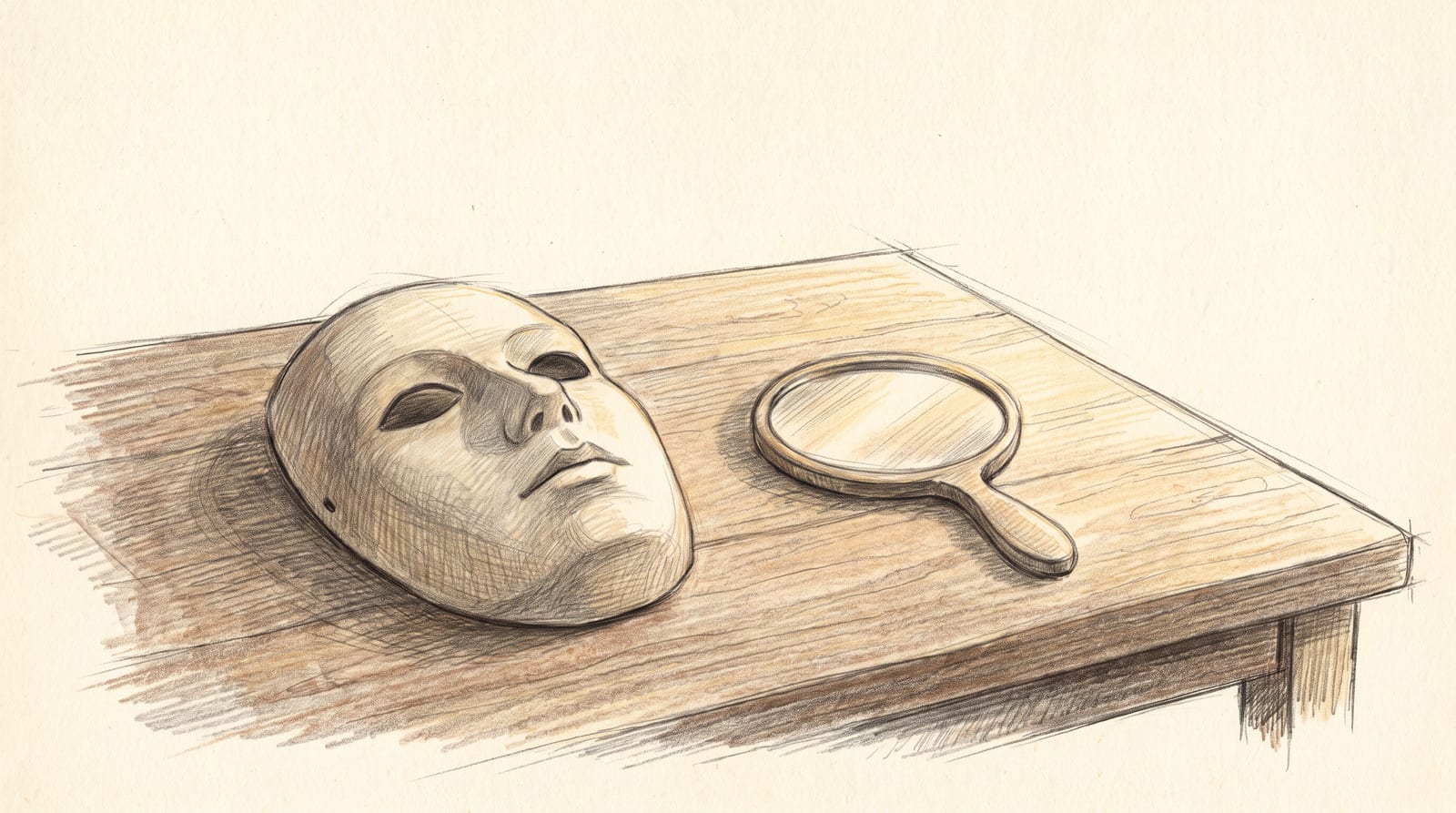
Your happiness can dramatically increase as you reduce the gap between who you are and who you perform.
I moved around a lot when I was a kid. I was born in Atlantic City, New Jersey, and my parents were from the Bronx. When I was ten, we moved to the western part of New Jersey. I went from the city to the country, from a majority Hispanic and Black area to a mostly white one.
Learning to perform
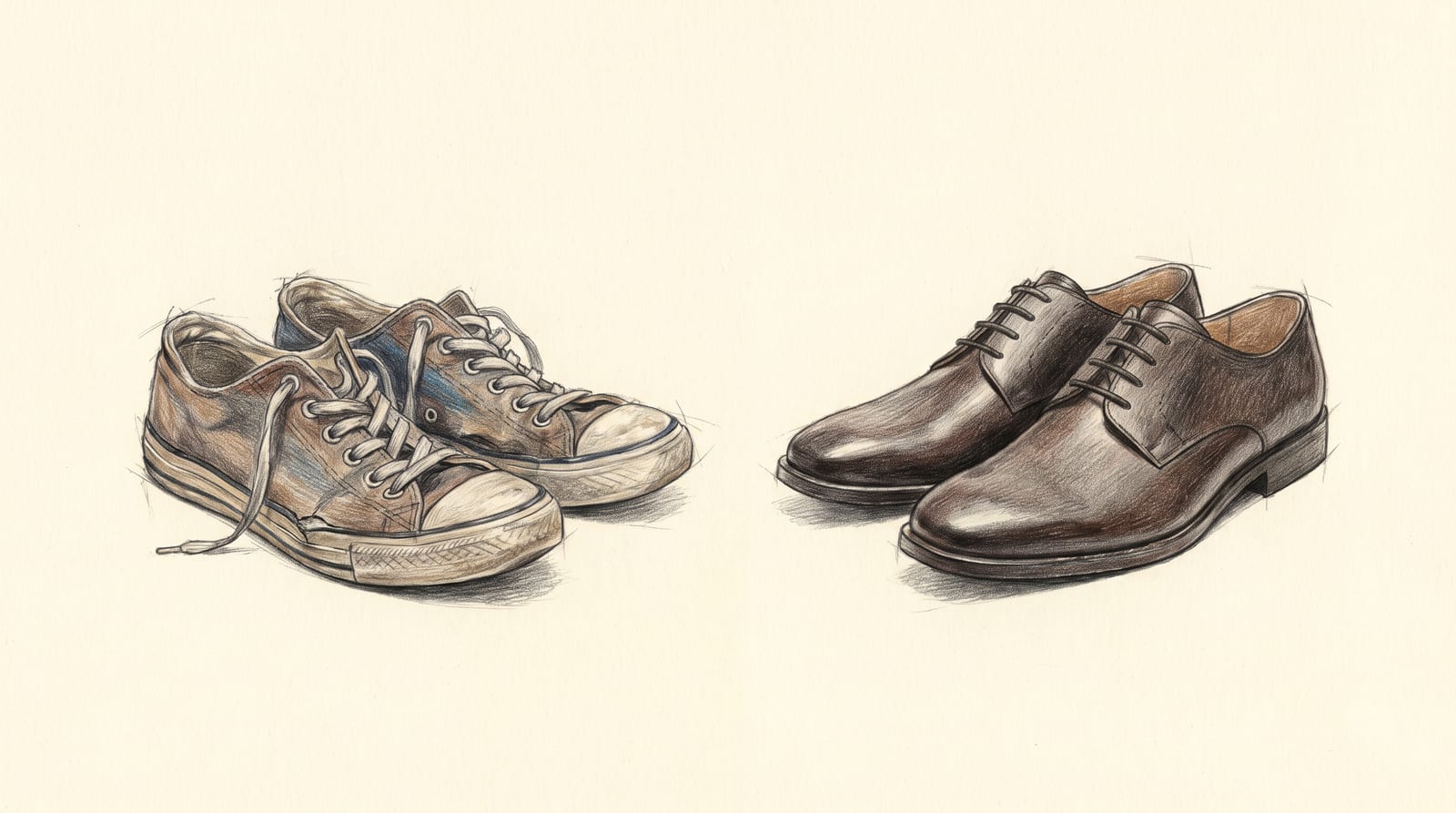
I was bullied for talking different, for dressing different, for my skin color (I’m Puerto Rican). I remember being told to get back in the fields with the rest of the Mexicans (which was disgusting and racist and very hurtful to me as a kid). I grew up poor, and I remember kids making fun of the cheap winter jacket my mom picked up for me from Burlington Coat Factory.
At that age, I felt a need to change to fit in, and I began to perform a different version of myself so that I wouldn’t be bullied or ostracized. I carried that habit through high school and into college, and it caused me a lot of unhappiness. The incongruence between who I was and who I performed really bothered me.
Drinking and partying felt like the only times I was courageous enough to be myself, and even then I wasn’t really being myself. I was being a drunken, loose version of who I really am.
The years alone
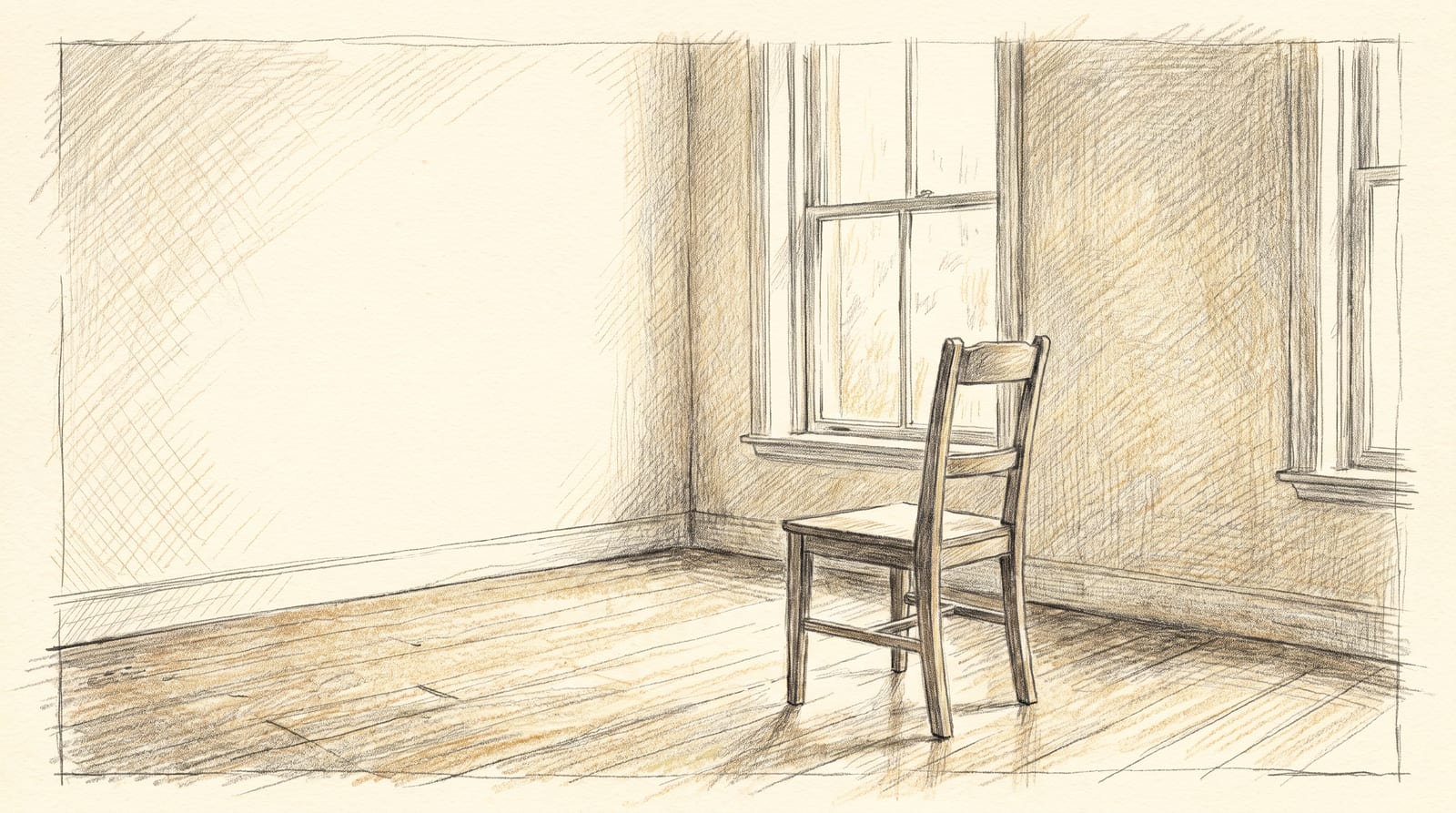
Later in life, I separated myself from other people and went through a long period of isolation. I explored myself, built up the courage to inhabit who I actually am, and took time to look back on who I was before social pressures changed me.
And I began to be much happier. I had much less stress and anxiety, and much more peace, because the person I was in front of other people was coming more directly from my heart and my soul.
I became more comfortable being honest when I thought people might not agree with me, and more comfortable giving my opinion when I thought people wouldn’t like it, because I realized it was totally okay to be different and to not be liked. I began to appreciate the people who liked me for what I actually believed more than the people who liked me because I was agreeable. That courage developed over time, through a lot of practice being myself.
You can still give your opinion
In a traditional life, you probably won’t be 100% yourself all the time. Some people might be, but I’d say most people vary a little depending on the situation. At work, you can’t always say, “Fuck you,” to your boss and tell them everything they’re doing is stupid, at least not unless you own the business or something.
But even if you can’t share yourself in a completely unadulterated way, you can still share your opinion, and I think you should. Because every time you do, you reinforce it. Eventually it becomes the habit, and you default to honesty.
And honesty feels good for both people. People want to feel like they’re talking to somebody who is being honest, who has their own personality, who has things they hate and things they like. They don’t want to feel like they’re talking to a wall or talking to a robot.
Seek out a little chaos

So your happiness can dramatically increase as you reduce the gap between who you are and who you perform. One way to reduce that gap is to start sharing opinions you think other people might disagree with.
Almost seek out a little chaos. Nothing crazy. Just allow for a little discomfort or dissent, for conflict, even minor conflict.
It can be about something as meaningless as a TV show. If somebody says they love a show and you know you don’t like it, don’t automatically agree with them. Say, “Nah, I don’t like it,” and explain why.
You don’t have to fight and you don’t have to argue. Just share it. Give your actual opinion.
And as you practice that, I think you’ll begin to feel yourself tapping into who you really are. You’ll slowly reduce the gap between the person you are and the person you perform, and you’ll have more peace, which is one of the most important things to me, and what I think most people ultimately want.