Roguelikes Teach You How to Like Failure
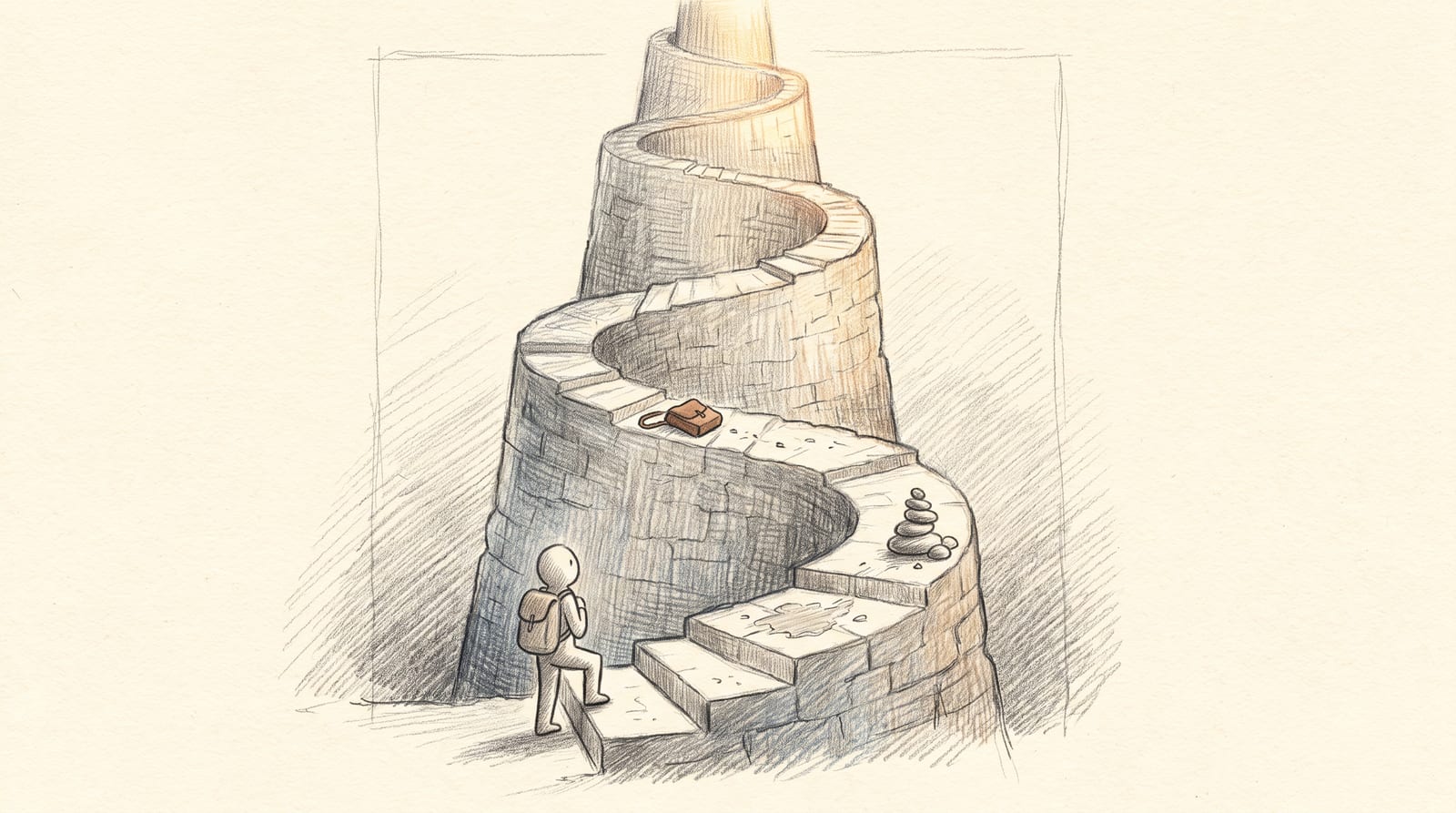
One of my favorite games right now is Slay the Spire 2.
It’s a roguelike deck builder, and the basic idea — without making it sound too nerdy — is that you fight enemies through increasingly difficult levels until you eventually reach a final boss.
What makes roguelikes interesting, though, is what happens when you lose.
You start over.
The cards you collected are gone. The items you found are gone. The progress you made during that run disappears. You begin again from almost nothing.
And then you do it again.
You climb higher. You die. You start again. You try a different strategy. You get further. You fail again.
And somehow, this repeated failure is fun.
That’s what I find interesting.
Failure as information
Roguelikes train you to expect failure and learn from it.
When a run in Slay the Spire ends, you might be disappointed that you didn’t win, but almost immediately your brain starts evaluating what happened.
That card was better than this one. I’ll choose differently next time. I shouldn’t have taken that path. That enemy wasn’t worth fighting. My deck needed something different.
You don’t usually take the failure personally.
You don’t die in a run and conclude that you’re fundamentally incapable of playing the game.
You treat the failure as information.
Okay. I learned something. Run it again.
And I think that’s an incredibly useful pattern to learn.
Because life feels very different.
Failure in real life feels more serious because, obviously, the consequences can be more serious. Losing a job isn’t the same as losing a run in a video game. A relationship ending isn’t the same as your character dying. A business failing can cost you real money and years of your life.
I’m not suggesting otherwise.
But I do think we often attach more meaning to individual failures than we need to.
We don’t only say: That attempt failed.
We say: I failed.
And those are very different statements.
The roguelike mentality separates the result from the person.
The strategy failed. The attempt failed. The run ended.
Now what did you learn?
That’s why I think roguelikes can actually teach something about the pattern of success.
You attempt something. You receive feedback. You adjust. You attempt it again. You get slightly better.
Eventually, after enough iterations, the thing that once felt impossible becomes something you know how to do.
The failure wasn’t an interruption of the process.
The failure was the process.
Choose your games
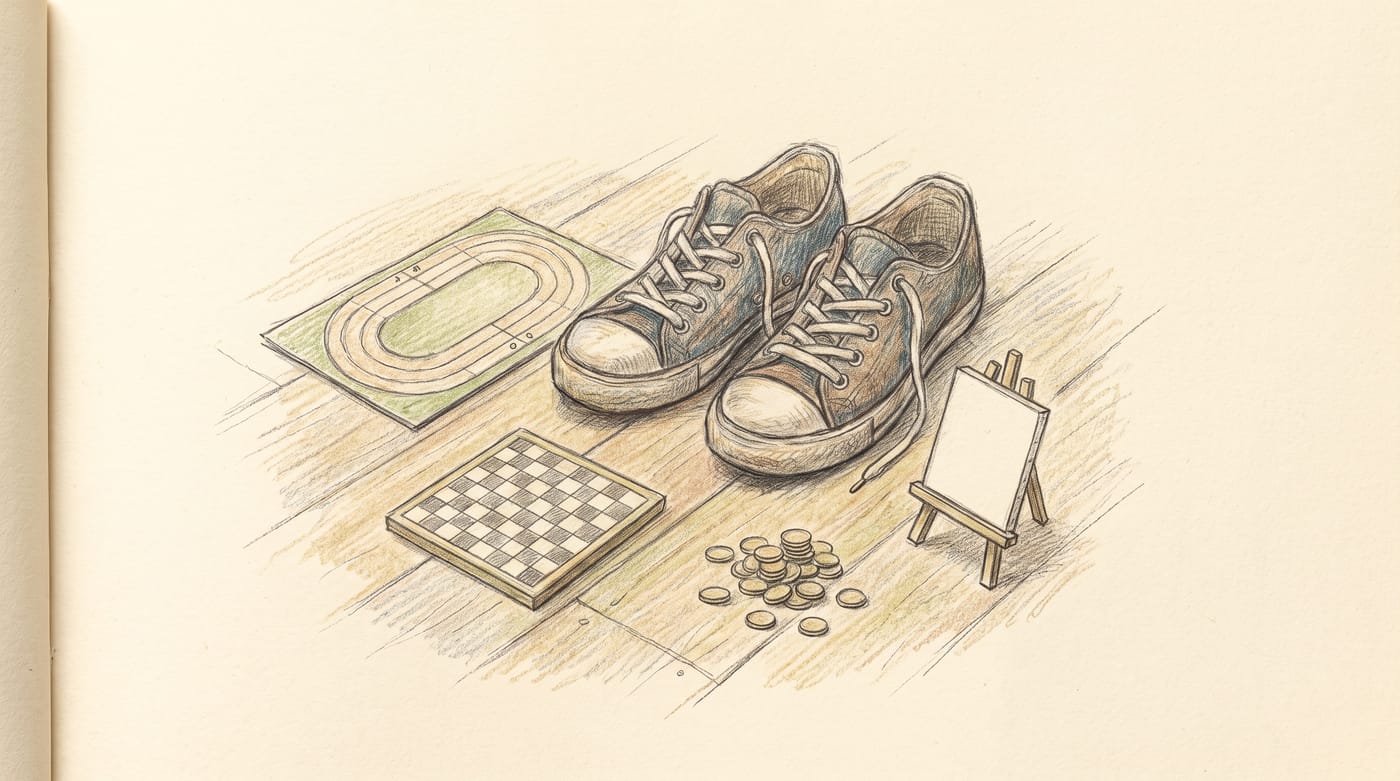
I think one way to carry that mentality into the rest of your life is to take life a little less seriously.
Look at some parts of life more like games you are choosing to play.
Your career is one game. Fitness is another. Dating is another. Building a business might be another. Creating videos might be another.
Each one has different objectives, different strategies, different rewards, and different ways of improving.
And once you’ve chosen a game, try to identify the actions that actually move you forward.
In your career, what deliverables matter? What projects need to be completed? What numbers or outcomes are you responsible for? What actions can you actually take? Emails sent. Code submitted. Projects delivered.
In fitness, the game can become similarly concrete. How many days am I going to train? How many sets? How many reps? Am I gradually getting stronger or faster?
With dating, you can think about what you’re actually looking for in a partner, put yourself in situations where you can meet people, go on dates, and learn from the experiences instead of allowing one rejection or one bad date to define the entire process.
If you’re making videos, one video performing badly doesn’t mean you can’t build a channel. Make another one. What worked? What didn’t? Can the title be better? Can the idea be stronger? Can the next video improve on the last one?
Run it again.
A single run is not the game
The important thing is remembering that any individual attempt succeeding or failing matters much less than it feels like it does in the moment.
You’re playing a longer game.
And that’s what roguelikes make very easy to understand.
A single run is not the game. It’s one attempt within the game.
You can have an incredible run and still lose. You can make terrible decisions early and somehow recover. You can fail ten times and win on the eleventh.
The only way that final victory happens is because the previous failures taught you how to get there.
Real life is obviously messier. There isn’t always a clear objective. There isn’t always a progress bar telling you how close you are. Sometimes you don’t even know whether you’re using the right strategy.
But maybe that makes the mentality even more valuable.
Failure doesn’t have to mean that something is wrong with you.
Sometimes it simply means you completed another run.
Look at what happened. Take whatever information you can from it. Change the strategy.
And play again.