How Someone Becomes Beloved
How does someone become beloved? Why did everybody love Dolly Parton?
When Dolly Parton passed away, what struck me wasn’t how many people respected her. It was how many people seemed to genuinely love her.
I never met her. I don’t even know much of her music. Most of what I’ve seen, honestly, has been interviews of her after she’s passed away. Yet in this time, watching all these things about her, I feel like I’ve gotten to know something about her and about who she was.
So my question is, how does that happen? How does someone become beloved by people they’ve never met?
I’ve been thinking about this problem, researching, studying, and I think there’s four parts to it.
Warmth and competence
In 2007, psychologists Susan Fiske, Amy Cuddy, and Peter Glick described two major dimensions we use to judge people. Warmth and competence.
Basically, do you have good intentions? And are you capable of enacting your intentions?
People who were perceived as both warm and competent receive especially positive reactions from other people.
And Dolly had both. She wasn’t just nice and funny. She was extraordinarily good at what she did. The fact that she was such a good singer and performer is important.
Think about somebody who’s incredibly talented but also a douchebag. You might respect them. You might be amazed at what they do in their work, but you probably don’t love them. And I’m sure there’s plenty of celebrities that you and I can think of that are just like this.
And somebody can be incredibly warm and funny without it generating that sense of admiration within you for who they are. That sense of awe, that larger than life thing that pulls people in, where you kind of are amazed at their presence and what they’ve been able to do. That all comes from their competence and their ability to do what they do.
Dolly had talent and warmth.
And the two actually play off of one another, because self-deprecation from somebody that’s incompetent can sound like confirmation of what they believe about themselves, and can be almost a little bit hard to watch. You kind of feel bad for the person. But self-deprecation from somebody that’s really accomplished comes off as humility.
If you look at all the accomplishments she had, you can kind of see her as being above other people. But her humor brought her back beside people. At least that’s how she made us feel.
But there’s still the problem. We didn’t know her.
The parasocial relationship
That brings me to the second point, and that is something that we all face right now with social media and celebrity and all of it. The parasocial relationship.
In 2020, Riva Tukachinsky and colleagues combined 120 studies spanning four decades of research on parasocial relationships. And importantly, they found that these relationships aren’t simply something that lonely or socially deficient people have. The research shows that this relationship is an extension of normal social relationships.
If you don’t know what a parasocial relationship is, it’s essentially a one-sided relationship that you have with people that you see on a screen. So you can really like a celebrity, an actor, a social media person, a content creator, whatever, and you feel like you know them, although they’ve never spoken to you. It’s a totally one-sided relationship.
So think about watching somebody’s interviews for decades like people did with Dolly. You start to learn how they talk. You learn what makes them laugh. You understand what are the things that make them uncomfortable. You learn their stories, their humor. You learn a lot about them.
And eventually you build a model of who you feel this person is in your mind.
And I think that the humor is huge here. If somebody makes you laugh, then they make you feel good. And if they continually make you laugh, eventually you start feeling good just when you see them. And this happens in all relationships, parasocial or not.
Her self-deprecating humor also reduced the distance even more. This incredibly famous person making herself the joke all of a sudden makes her more of a person in your mind. She’s like somebody that you know.
Even though we know that celebrities are celebrities, and being a performer is part of their trade.
So why do we believe that we’re seeing the real person?
Authenticity
That brings me to the next point, which is authenticity.
In 2006, psychologists Michael Kernis and Brian Goldman developed a major framework for authenticity. And authenticity psychologically isn’t just being unfiltered or looking natural. It includes knowing yourself and behaving consistently with your actual values and sense of self.
And Dolly is almost a perfect example of this, and of what I feel is the difference between being artificial in some ways and being fake.
There were a lot of artificial things about her presentation, as she mentioned a lot. Her hair, her makeup, the rhinestones, the cosmetic surgeries that she’s had. And somehow she still felt very authentic.
And that’s because, in my view, being fake isn’t about what you’ve done to your body or to your appearance. Our perception of fake is when we don’t believe that you are being honest about who you are.
Dolly was making the joke about her hair before you could make the joke about her hair. She talked about the surgery. She made fun of herself. She seemed completely aware of who she was.
And I think watching somebody be that comfortable with themselves can also give us more permission to be more comfortable with ourselves.
But any celebrity can appear to be authentic for one interview. So how can you trust it?
Reputation
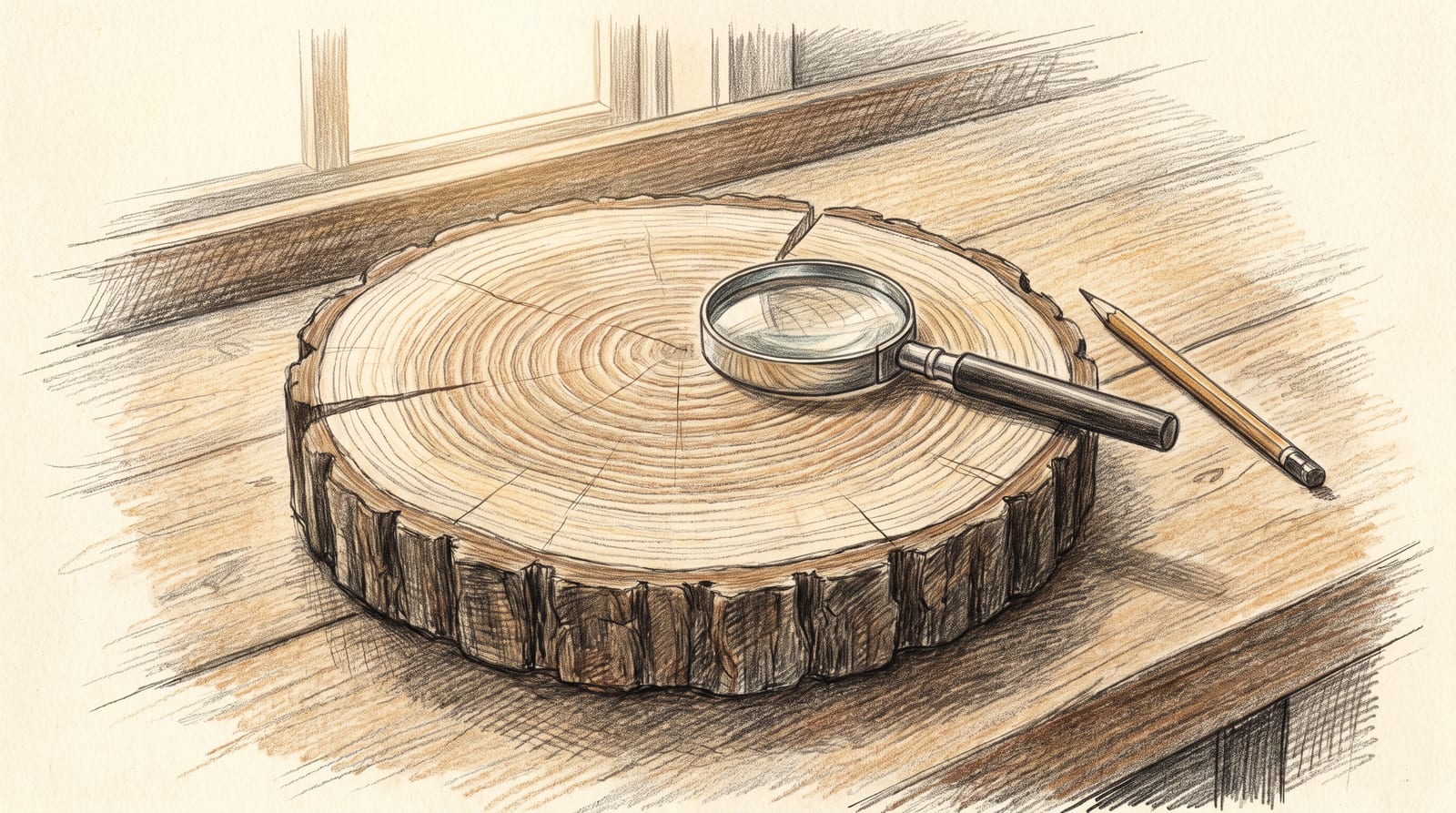
That brings me to my fourth point, which is reputation.
A 2014 meta-analysis by Bart Vanneste and colleagues looked at 39 studies of trust over time. And they found that simply having a longer relationship was associated with more trust, but only weakly.
And the reason I bring that up is because time by itself isn’t enough to build trust. What time does is give you opportunities to collect evidence about a person.
And that’s how I think about reputation. By my definition, reputation is consistent action in a single direction over time.
You may tell me that you’re generous. That’s a claim. If I see you act generously, that’s evidence. If you keep doing that for decades and decades and decades, that’s reputation.
And that’s where Dolly’s philanthropy and the things that she did become so much more important, because her words were paired with actions. And the actions were just repeated and repeated and repeated over the decades.
So it’s words, action, and time. And eventually people begin to trust the person that they believe that you are.
Who we get to be

So finally we’ll answer the question. Why was she beloved?
Competence gives us something to admire. Warmth gives us somebody to like. Parasocial relationships let us feel like we know the person. Authenticity makes us believe the person that we’re seeing is real. And reputation gives us reasons to trust that belief.
But I think that love goes one step further than all these things.
We don’t only love people because of who they are. We also love them because of who we get to be when we’re with them.
Somebody makes you laugh and you feel lighter. If somebody’s comfortable being themselves, then all of a sudden you feel less afraid to be yourself.
Dolly made fun of herself. She was completely Dolly. And through this, she gave other people permission to take themselves a little less seriously, too.
And that’s the part that I think explains the outpouring of love that she received after her passing.
People weren’t only experiencing Dolly Parton. For a few minutes when she showed up, they got to experience themselves and their own lives a little bit differently, too.
Rest in peace to you, Dolly. You are a beautiful soul and you will be missed by many.